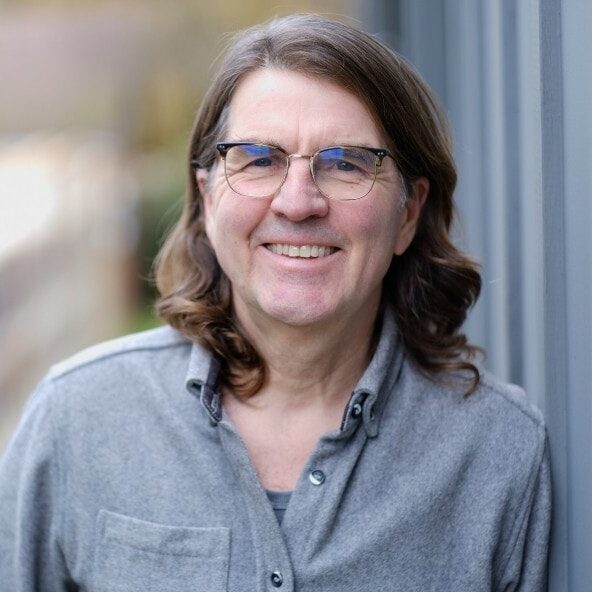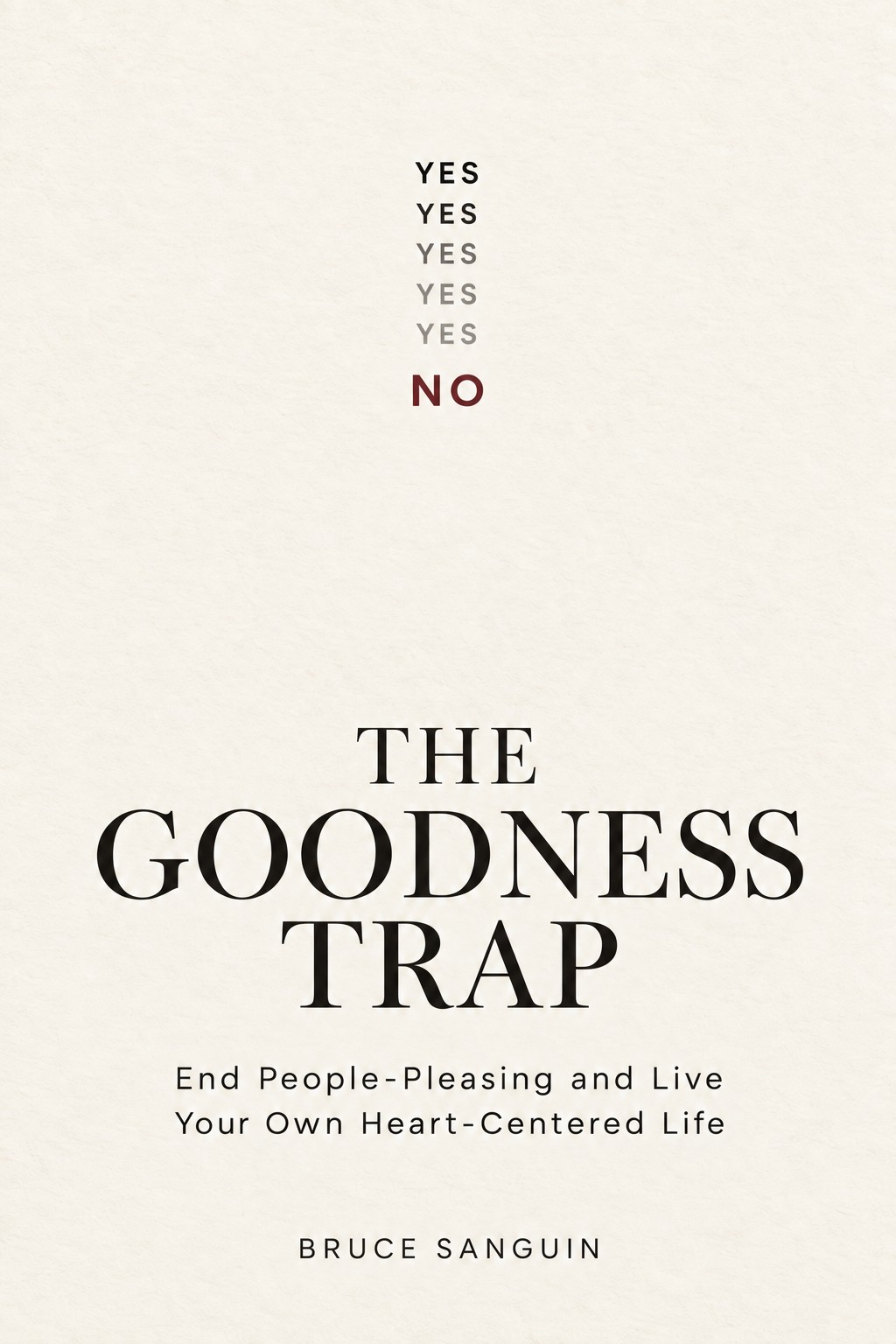
By Bruce Sanguin, RMFT
Psychedelic integration is the ongoing process of making sense of a psychedelic experience and bringing what matters from it into everyday life. In my approach, its deepest invitation is to live your own life: to become more faithful to what you feel, know, love, and are here to express.
The psychedelic experience may open the door. What follows is the ceremony of walking through it.
You return home. There are dishes in the sink, bills to pay, people who need you, and relationships in which you have learned to disappear. Something profound may have happened, but the familiar invitation to abandon yourself is still waiting.
Will you say what you actually mean? Will you honour the boundary you now recognize? Will you allow yourself to love without performing for love in return?
This is where the ceremony continues.
Living your own life is the fundamental ceremony
We tend to associate ceremony with a particular setting: candles, prayers, music, a circle of people gathered with intention. These can be beautiful ways of remembering that we belong to something larger than ourselves.
But I understand the fundamental ceremony to be the living of your own unrepeatable life.
Whatever brings you into alignment with that life becomes a ceremony of integrity. An honest conversation. A morning spent making something you love. A refusal to agree when your whole body is saying no. An apology that comes without an attempt to manage how the other person sees you.
These moments may have no ceremonial appearance. Yet something sacred is happening: you are allowing your actual life to be lived.
Prayer, meditation, thanking the ancestors, gathering around a fire, or coming together in community can support this faithfulness. For some, ceremonial tobacco belongs within their own tradition and practice. These particular ceremonies help us remember the larger one we are already living.
The question is whether what happens in the ceremonial space finds expression in how we live afterward.
Ceremony is contact with mystery
There is a paradox here. Although ceremony can nourish the way we live, the ceremonial space has its own integrity. We enter to give thanks, offer prayers, listen, and make deeper contact with existence itself.
Reality. Source. Creator. Nature.
Use the language that allows you to approach honestly. You do not have to borrow someone else’s certainty.
In this understanding, ceremony has no further task to perform. The gratitude, the prayer, the contact are already enough. If peace or reassurance comes, it is welcome. Their arrival is not the measure of whether the ceremony mattered.
We enter the mystery without requiring it to explain itself. We allow grief, beauty, love, death, and uncertainty to address us. We become available to what is real, even when it unsettles what we thought we knew.
And the first reality we encounter is ourselves.
What am I actually feeling? What have I been afraid to acknowledge? Where am I saying yes while quietly withdrawing from my own life?
Honest contact begins there.
The adapted ego: learning to become what others need
Many of us learned early that being ourselves could threaten connection.
We became agreeable, helpful, impressive, undemanding, or invisible. We learned to read a room before we learned to recognize our own desires. We anticipated what others wanted and delivered it, hoping that this would secure our place.
I call this the adapted ego: the identity organized around obtaining love, avoiding rejection, and protecting us from the consequences of being ourselves.
It developed for reasons. A child cannot simply choose independence from the people on whom their life depends. Adapting may have been the most intelligent response available.
But an adaptation can become a lifelong assignment. Decades later, we may still be living according to an unconscious agreement: I will be who you need me to be, provided you do not withdraw your love.
The cost is that the person receiving approval may bear little resemblance to the person we actually are.
What psychedelics may reveal about wholeness
For some people, a psychedelic experience temporarily loosens these familiar ways of understanding themselves. They may encounter grief that has been held out of awareness, feel compassion toward the child who had to adapt, or experience a profound sense of connection and belonging.
In my own language, this can feel like discovering that you were always, already whole.
You may feel it in your bones: you did not begin as a mistake. You did not need to earn the right to exist by becoming useful, good, or spiritually accomplished. Before the failures of love taught you otherwise, there was simply you.
The word perfect, if we use it here, points to that original legitimacy. It does not mean that everything we do is wise or that we have nothing to learn.
These experiences are possibilities, not guaranteed outcomes. Psychedelic experiences can also be confusing or distressing. A feeling of revelation still needs time, reflection, and discernment; its intensity does not make every interpretation true.
Even a profound encounter with wholeness may leave familiar patterns intact when you return home.
This is why integration matters.
Keeping the soul covenant to be yourself
I think of living your own life as keeping a soul covenant: a commitment to remain faithful to the life that can only be lived through you.
Nobody else can feel your love, speak your truth, create what is yours to create, or make your particular offering to the world.
Keeping this covenant asks for courage. Someone may prefer the version of you who never disagreed. A relationship may have been organized around your willingness to suppress your needs. Approval may become less available when you stop performing for it.
You can listen, negotiate, change your mind, and care deeply about other people while keeping faith with yourself. The commitment is uncompromising about self-abandonment; it still leaves room for the mutual accommodation that relationships require.
Authenticity also asks us to take responsibility for our effects on others. An impulse deserves attention, but it does not automatically deserve enactment. Sometimes the most truthful act is to pause long enough to understand what is moving us.
The covenant is renewed in these ordinary choices, especially when being yourself feels inconvenient.
Service as an expression of authenticity
Much of what passes for service can be entangled with a longing to be seen as good, kind, indispensable, or spiritual.
We help, but cannot bear to disappoint. We give, then feel resentment. We say we are serving love while quietly negotiating for recognition.
The invitation is to become curious about what is organizing our generosity.
When service grows from authenticity, goodness does not need to become an identity we defend. Kindness can arise freely. We can offer what is ours to give and recognize when we have reached our limits.
There is less to advertise and less to prove. There is simply a person doing what they are moved to do, expressing their particular love through a particular life.
This, too, is ceremony.
Psychedelic integration in everyday life
The work often begins with something small enough to practise today:
- Notice one moment when you start becoming who someone else wants you to be.
- Pause before agreeing, and give yourself time to discover your actual response.
- Make room for grief about what you have sacrificed to remain acceptable.
- Choose a simple ritual of gratitude, prayer, or attention that brings you into honest contact with your life.
- Ask: What would keeping faith with myself look like here?
A competent, caring guide can help you explore these questions without supplying an identity or belief system for you to adopt. Together, you can make room for what arose in the experience, discern what it means, and find ways to live it at a pace you can sustain.
Community matters as well. We need relationships in which we can practise being known, encounter differences, and discover that belonging can make room for individuality.
The psychedelic experience may be the doorway. The ongoing ceremony is the life you begin to live afterward.
Join Your Life Is the Ceremony
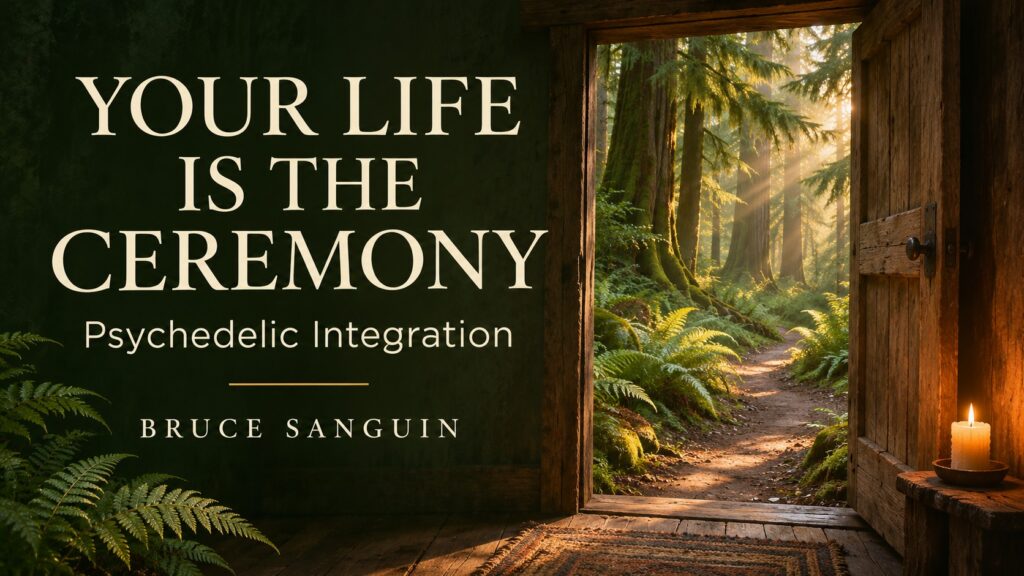
I created Your Life Is the Ceremony, my online psychedelic integration community, as a place to explore this work together.
Through our gatherings, conversations, and teaching library, we explore what it means to bring your experiences into your relationships, choices, and ordinary days. There is room for mystery, uncertainty, grief, humour, and the gradual discovery of your own way.
You do not need to arrive with a spiritual vocabulary or a convincing account of transformation. Bring what is actually happening in your life.